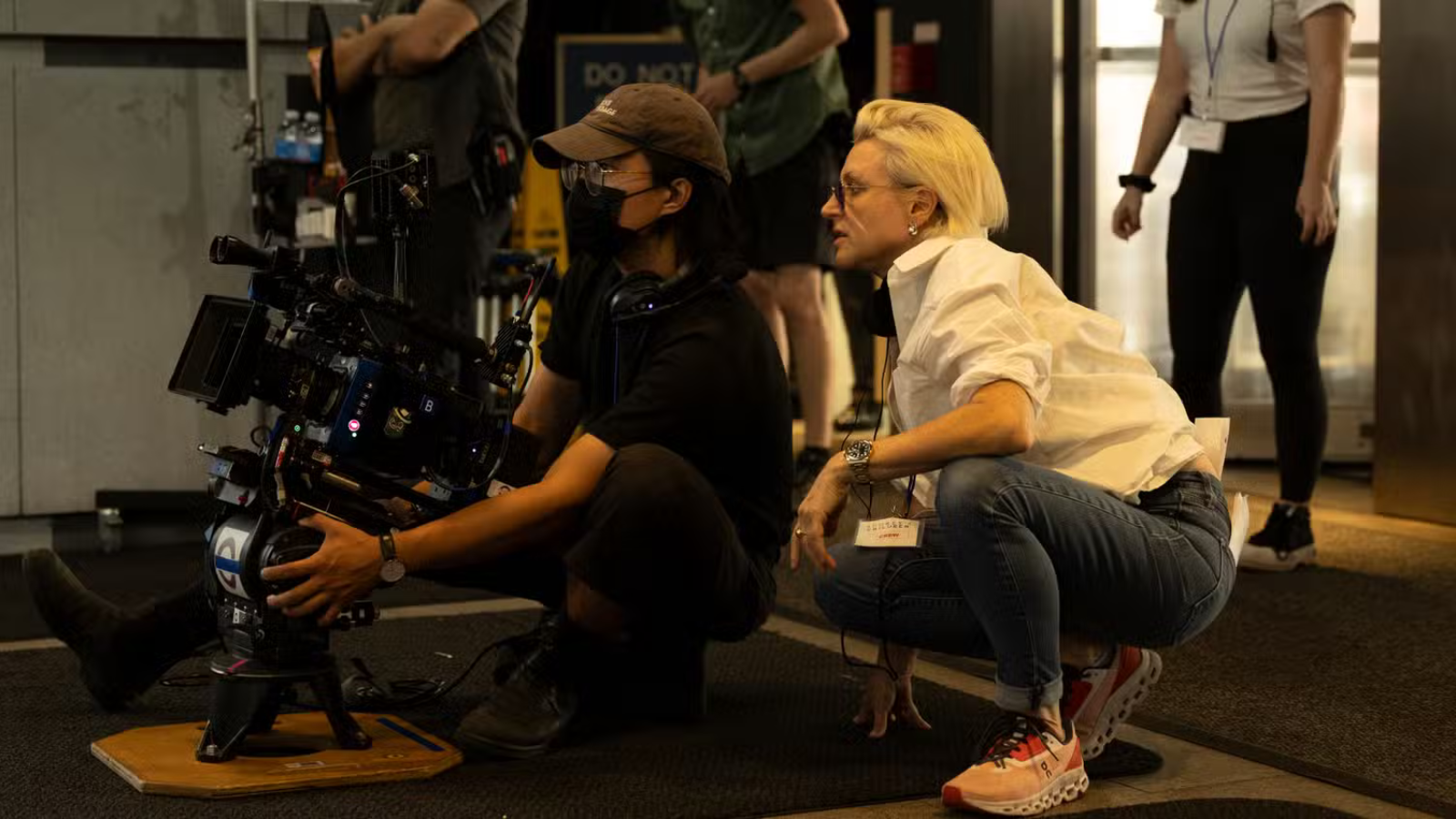
On the latest episode of The Filmmakers Podcast, host Dom Lenoir sat down with Natalie Dormer and Ami Mann to discuss their new film about the extraordinary life and legacy of Dr. Audrey Evans.
They shared a behind-the-scenes look into how the project came together—its origins, portraying children with cancer, and honouring one of medicine’s quiet trailblazers.
Where The Story Starts
The film began with a screenplay by Julia Fisher Farbman, who was personal connected to Dr. Audrey Evans. “Julia’s grandfather knew Audrey, so she’d known her since she was a child,” Ami explained. “ We had access to Children’s Hospital and a lot of the nurses and doctors who knew Audrey’s work and had worked with her.”
That personal connection gave the script a depth and authenticity. Ami recalled one scene that really had a profound impact on her. Audrey speaks to a child about death, on the hospital roof: “That struck me. My God—that is a conversation no adult wants to have with a child… Here was this woman who did this on the daily and for decades. I thought this is a story that I want to help tell”
After meeting Audrey twice before her passing, Ami learned about a pivotal moment in Audrey’s own childhood—her time spent in a tuberculosis ward in 1930s England.
“That sense of isolation she felt… which she hadn’t shared up until then,” Ami said. That insight became the foundation for the film’s flashback sequences, giving the audience a glimpse into what may have driven Audrey to dedicate her life to helping sick children.
Attaching Natalie Dormer
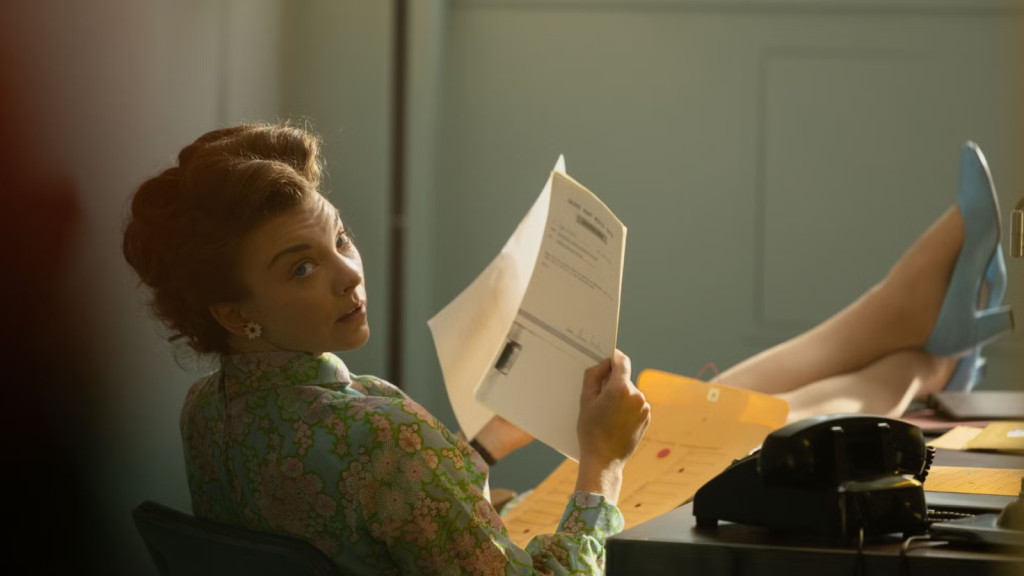
For Natalie, the connection to the project was an immediate emotional connection. “I was on vacation with my family and just needed to read the first 10 pages of something and read the whole thing.’” she shares. “ it made me cry and I couldn’t believe I hadn’t heard of Dr. Audrey Evans before. This woman is a trailblazer.”
Natalie was drawn to the story’s emotional truth and the incredible legacy Audrey left behind. “ It was an honour to be asked to play such an incredible human being.”
Because she was playing a real person, Natalie felt a responsibility to not: “do an impersonation. I watched footage of her—especially when she was younger. I had her playing in my ear between scenes. She did a lot of stuff on Dictaphone. I would listen to the woman herself talking about a holiday in Scotland or giving a lecture, it plugged me back into her attitude, manner and humour.”
The validation came unexpectedly and powerfully after filming the gala scene: “I didn’t know but a lot of the supporting artists were oncology staff (who worked) under (Audrey). When we were leaving, they were like you’ve got the voice, the way she walks and held herself.”
Working with Children
Both Natalie and Ami highlighted how working with child actors shaped the film’s tone and process.The presence of young actors required a more fluid and intuitive approach:
“You had to be flexible,” Ami said. It was important to ensure that the set felt “calm and safe, so that they are able and feel safe to give their most vulnerable, authentic performances. We could then do the improvisations when the children felt comfortable.”
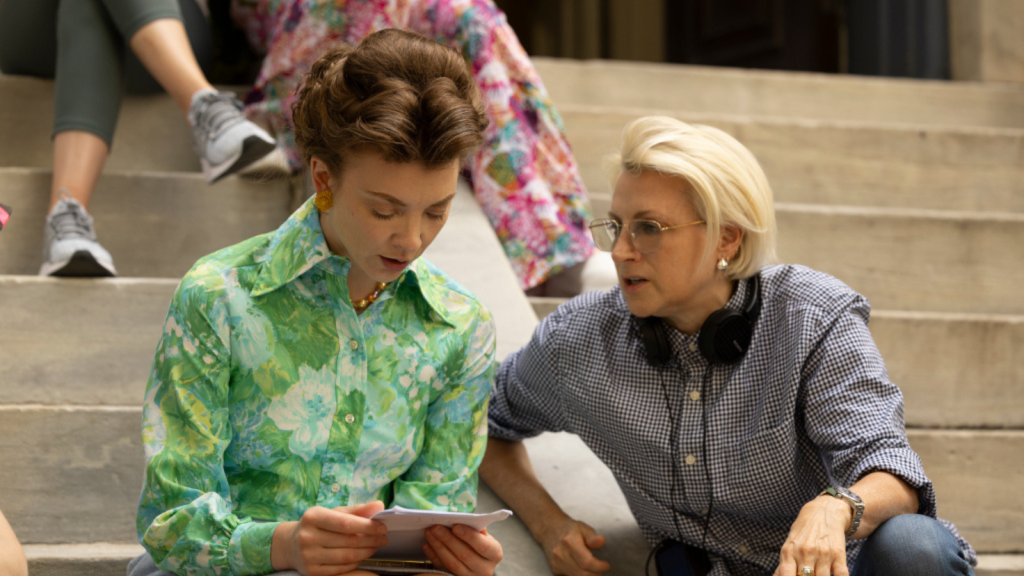
Natalie added that creating a safe and fun environment off-camera was just as important as what happened in front of it: “ the film benefited from spontaneity. I spent a lot of time improvising with the kids, and Amy let the cameras run. And if I had a child-centric day, I would make sure that I stayed with them and their parents. Have a familiarity and friendship with them, so then when cameras are rolling, the scenario doesn’t feel peculiar.”
Honouring Audrey’s Legacy
The cast and crew were united in their respect for Dr. Audrey Evans. “There was no ego to that woman,” Natalie said. “She was like, you are only allowed to make the film if you promise it’s going to make things better for children.”
Ami echoed this sentiment, ensuring that the medical elements of the film were accurate out of deep respect for professionals:
“ I had sources to make sure we were doing it properly. I didn’t want any medical professional to look at the movie and say that’s not how you hold a syringe. I wanted the language, the physicality, the props, everything to be as authentic as possible, out of respect for the work they do.”
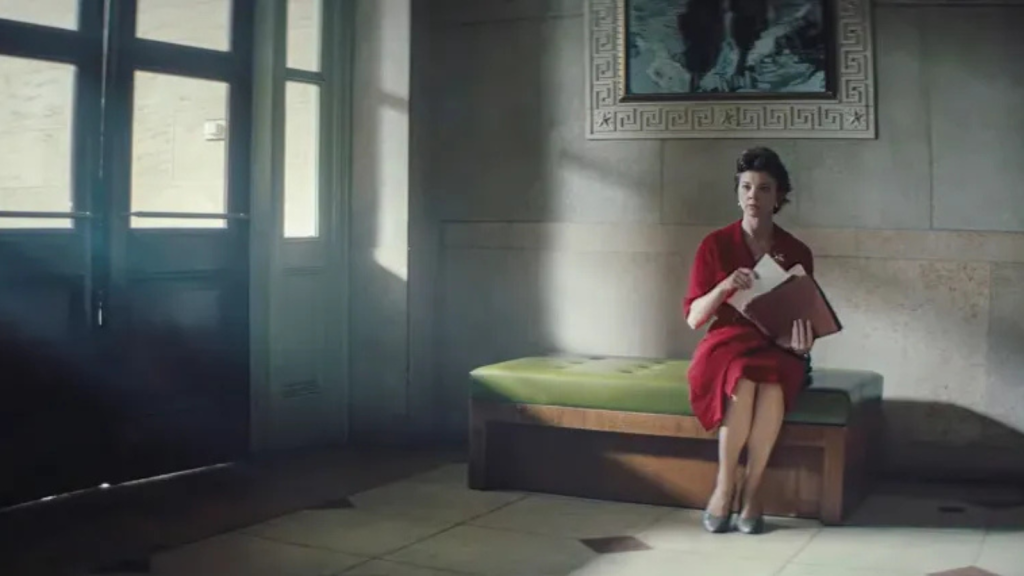
The visual world of the film also reflected Audrey’s character—rich, textured, and deliberate in its design.
“ We used saturated colours, really judicious use of colour. There were no primary colours. I only use red in one piece of wardrobe, by design,” Ami said. “the approach was to develop a visual lexicon that was interesting, evocative and authentic. The colour palette was Ektachrome. I do a lot of visual research and build a hallway with visual references for every scene.”
In every aspect, from performance to production design, the team approached Audrey’s story with compassion, reverence, and a deep desire to share her legacy.
Listen to the full episode here.