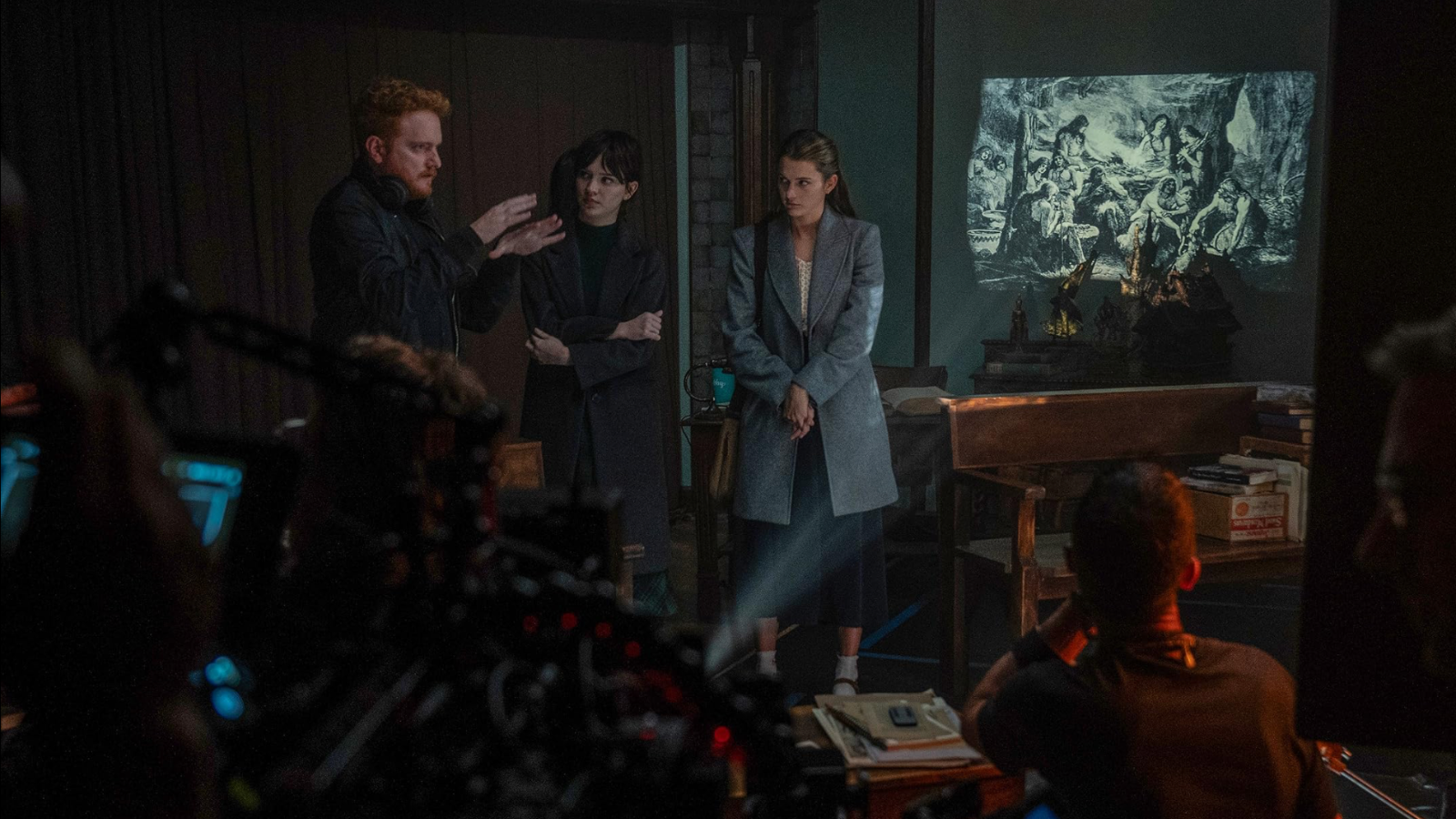
In our latest episode of The Filmmakers Podcast, hosts Giles Alderson and Dom Lenoir chatted with writer-director duo Scott Beck and Bryan Woods to discuss the making of their latest film, Heretic. With its chilling narrative and unexpected casting choices, the film has “been embraced by and rejected by religious people and non-religious people” alike.
Scott explained that: “this movie, more than anything we’ve created, is something for somebody to have a personal relationship with; whether they like it or don’t like it. They will have their opinion rooted in their world view”.
Casting the Film
The team collaborated with Carmen Cuba, a veteran casting director, whose portfolio includes Stranger Things and various Steven Soderbergh projects. “She has her finger on the pulse of upcoming talent,” the filmmakers remarked. As word about the script leaked, movie stars began contending for roles, elevating the stakes. “The competition set a high bar and put pressure on us to make the best decisions and not just get starstruck,” Bryan reflected.
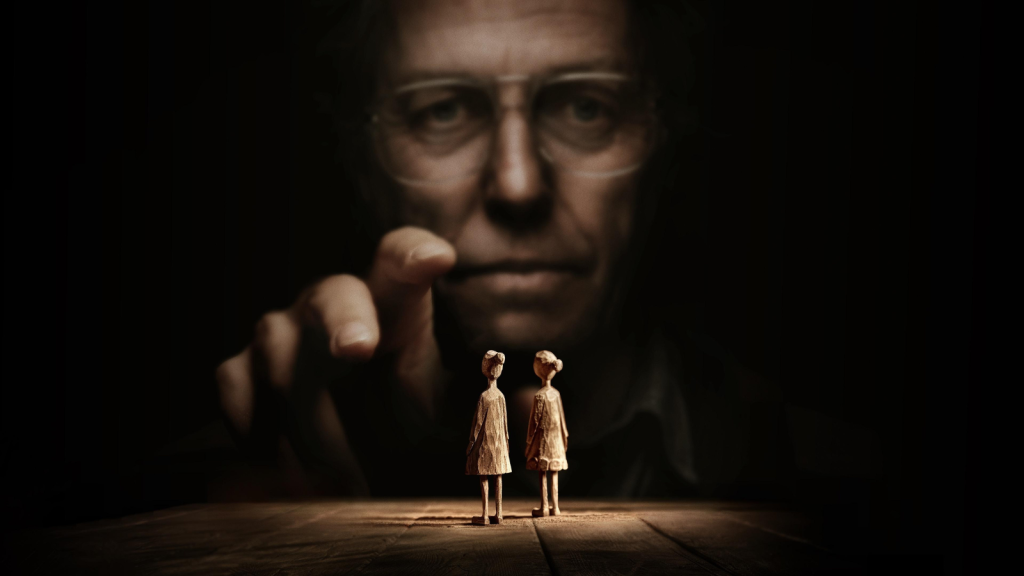
This rigorous process led them to Hugh Grant, Chloe East and Sophie Thatcher.
Scott shared that they “were trying to understand (Hugh’s) lens on the material. I think he was just excited to do something that used his intellect and natural charm; but then turn it on its dark side, to a degree that I feel nobody has seen.”
“We kept coming back to Chloe East and Sophie Thatcher. Chloe had this authenticity about how she was approaching the missionary role,” Bryan explained. Sophie had already proven her talent through her work on The Boogeyman, which they had co-written with Mark Heyman.
A lightbulb moment, for them, came when Carmen revealed that both actresses were raised in the Mormon church. “That authenticity was their truth—knowing missionaries, having friends that are missionaries, having family members in the church—and being able to portray that.”
Making the Film as a Team
The filmmakers also discussed their approach to rehearsals, which they admitted were condensed into a week and a half. “Hugh has so much dialogue,” Scott shared. “He’s like, ‘Can we just read through it and not apply blocking?’” This shift in strategy allowed them to focus on the emotional beats of the dialogue before adding physical movement.
Rehearsals were not just technical exercises but spaces for meaningful conversations. “It brought out theological conversations about the heart of what this movie is, that felt more impactful because this movie was having a personal touch from every collaborator,” they shared.
Getting the Right Shots
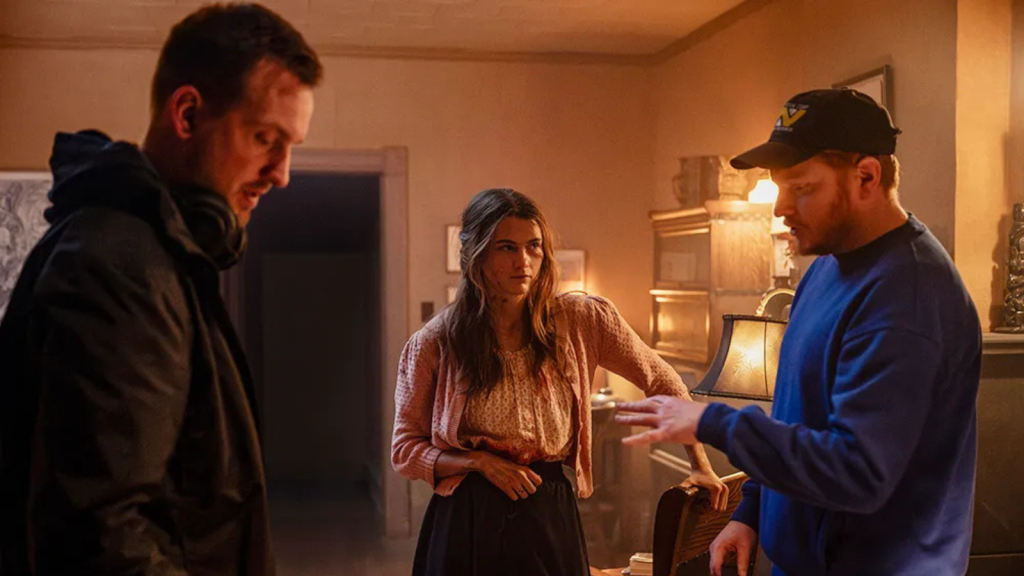
The filmmakers emphasised the importance of evolving the visual language of their filmmaking.
“We were self-conscious about each moment of the movie feeling a sameness,” Scott admitted. Working with cinematographer Chung-hoon Chung, allowed them to explore ways of visually reflecting the characters’ journeys.
“The first scene is this park dialogue with two women. We storyboarded it with all these fun ideas, and Chung-hoon was like, ‘This is interesting… cool idea but I wonder if we should just be boring and flat for the first 15 minutes.’ This brilliant cinematographer could snap his fingers and pull out an amazing shot idea.” Their collaborative approach to filmmaking ensured that the film’s aesthetic grew alongside its narrative complexity.
Developing the Film on the Go
When it came to editing, the filmmakers leaned on Justin Lee, their editor based in Vancouver, “who’s phenomenal. Greatest instincts that we’ve seen in an editor—his first cuts feel like the fifth pass of a movie. He also spent so much time on sound design, which in the genre is imperative to figure out early,” Scott said. This immediate feedback loop allowed them to refine scenes as they went, providing a “gut check” that strengthened their confidence in the material.
Test screenings also became part of their repeated process. “We would screen half the movie and be like, ‘Tell us where you think it’s going to go next.’” This feedback revolutionised their whole editing process.
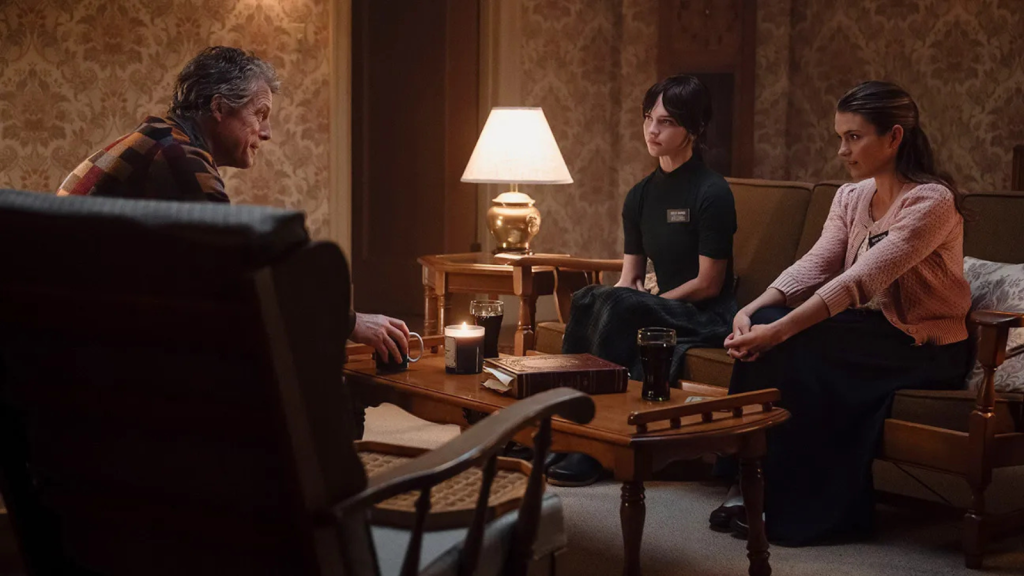
Bryan shared that they “ wanted the audience to have a personal relationship with the ending and stand by it. Getting people’s feedback and hearing how the ending is hitting them and what it’s making them feel was everything.”
To listen to more from Beck and Woods, head over to the podcast episode.